How to Avoid Glazing Seal Failure: A Definitive Guide to IGU Longevity
Modern fenestration relies heavily on the performance of the Insulated Glass Unit (IGU), a component designed to provide transparency while maintaining a thermal barrier. However, the move toward higher energy efficiency has increased the complexity of these units, making the phenomenon of seal failure a significant concern for architects, property managers, and homeowners alike. How to Avoid Glazing Seal Failure. Understanding the mechanics of a failed seal is not merely about identifying fogged glass; it is about recognizing the delicate balance between internal pressures, chemical stability, and external environmental stressors.
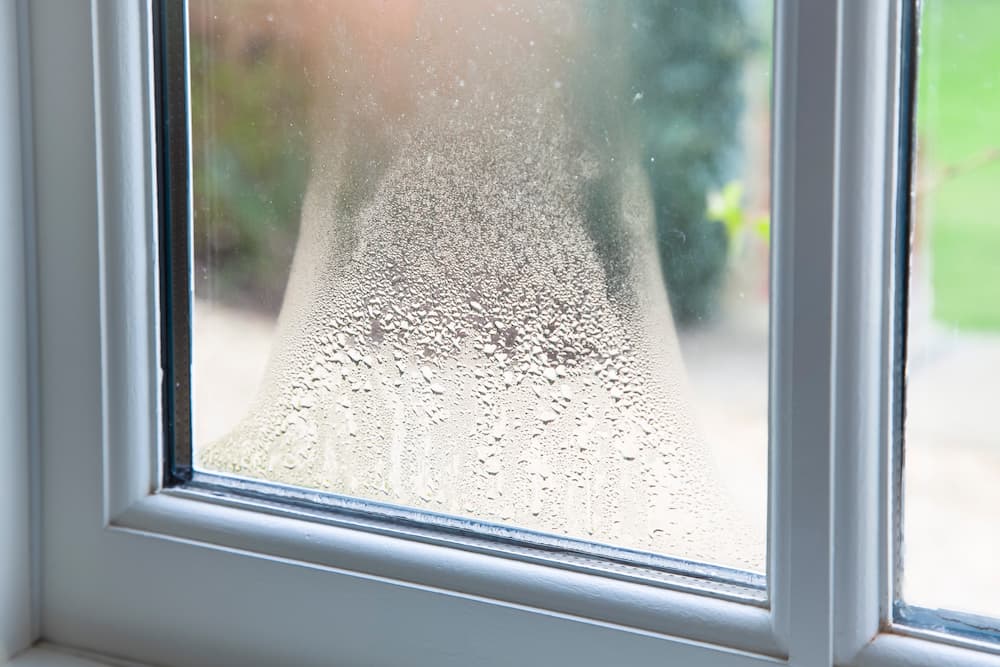
A glazing seal serves as the primary defense mechanism against moisture ingress and the escape of insulating noble gases, such as argon or krypton. When this barrier is compromised, the thermal performance of the window drops precipitously, and the aesthetic clarity of the glass is permanently marred by interstitial condensation. To address this issue effectively, one must look beyond the symptoms and examine the lifecycle of the window system—from the chemical composition of the primary and secondary sealants to the physical dynamics of the window frame itself.
The pursuit of longevity in glazing is an exercise in risk mitigation. While no hermetic seal is truly eternal, the rate of degradation can be significantly decelerated through informed decision-making during the design, procurement, and installation phases. This article serves as an exhaustive examination of the variables that dictate the lifespan of an IGU, providing a technical framework for maintaining structural and thermal integrity over decades rather than years.
Understanding “how to avoid glazing seal failure”
The challenge of how to avoid glazing seal failure is often oversimplified as a matter of “buying better windows.” In reality, seal integrity is a multi-dimensional problem involving chemistry, physics, and mechanical engineering. A seal fails when the rate of moisture vapor transmission into the dead air space exceeds the capacity of the desiccant—the moisture-absorbing material inside the spacer bar—to sequester it. Once the desiccant reaches its saturation point, the dew point within the unit rises, leading to condensation.
Many assume that a seal failure is a binary event—a “break” in the seal. However, it is more accurately described as a gradual loss of elasticity and adhesion. Sealants must withstand “pumping,” a process where the glass panes expand and contract due to temperature changes and barometric pressure fluctuations. If a sealant is too rigid, it cracks; if it is too soft, it may deform or “creep” under the weight of the glass. Therefore, avoiding failure requires a nuanced understanding of how specific sealant types interact with their environment.
Another common misunderstanding is the role of the frame. A window frame that does not allow for proper drainage (weeping) will trap water against the IGU’s secondary seal. Even the highest quality sealants will eventually succumb to prolonged water immersion, a process known as “standing water degradation.” Thus, the strategy to prevent failure must encompass the entire window assembly, not just the glass unit itself.
Deep Contextual Background
The history of glazing has moved from single-pane sheets to complex multi-layered systems. The shift began in earnest during the mid-20th century as energy costs rose and the demand for climate-controlled interiors increased. Early IGUs were often “welded glass,” where the edges of two panes were fused together. While durable, these lacked the flexibility to handle large thermal loads and were prone to stress fractures.
The transition to organic sealants in the 1960s and 70s introduced the dual-seal system used today. This evolution was driven by the need for better gas retention and more forgiving movement. However, this introduced new variables: UV degradation, chemical incompatibility with glazing blocks, and the sensitivity of the manufacturing environment. Modern failures are rarely the result of a single catastrophic flaw; instead, they are the culmination of marginal gains or losses in manufacturing precision and installation quality.
Conceptual Frameworks and Mental Models
1. The Solar Pumping Model
The glass in an IGU is constantly in motion. During the day, sunlight heats the air or gas between the panes, causing it to expand and push the glass outward. At night, the gas cools and contracts, pulling the glass inward. This rhythmic “breathing” places constant stress on the sealant.
-
Limitation: This model assumes a sealed system. If a micro-leak already exists, the pressure equalizes, but moisture is sucked in during the cooling phase.
2. The Diffusion Barrier Concept
Every material has a Moisture Vapor Transmission Rate (MVTR). No organic polymer is a perfect barrier.
-
Limitation: This suggests that all seals will eventually fail; the goal is to ensure the failure occurs long after the building’s expected renovation cycle.
3. The Drainage Path Integrity
A window is not a waterproof box; it is a water-management system. The “Dry Glazing” vs. “Wet Glazing” debate hinges on how water is directed away from the seal.
-
Limitation: This framework is only as good as the maintenance of the weep holes. If they are painted shut or clogged with debris, the framework collapses.
Key Categories and Variations in IGU Construction
Selecting the right components is the first step in how to avoid glazing seal failure. Different climates and applications require different sealant architectures.
Comparison of Sealant Systems
| Sealant Type | Primary Function | Flexibility | Gas Retention | Vulnerability |
| Polyisobutylene (PIB) | Primary Seal | High | Excellent | Low structural strength |
| Silicone | Secondary Seal | High | Moderate | High gas permeability |
| Polysulfide | Secondary Seal | Moderate | High | Sensitivity to UV |
| Polyurethane | Secondary Seal | Low/Moderate | High | Sensitive to moisture during cure |
| TPS (Thermoplastic) | Integrated Seal | Very High | Excellent | High manufacturing cost |
The decision logic for these materials typically follows the environment. For example, a high-rise building with significant wind loads and UV exposure will prioritize the structural bond of silicone, whereas a residential unit in a temperate climate might prioritize the gas retention of polyurethane or polysulfide.
Detailed Real-World Scenarios How to Avoid Glazing Seal Failure
Scenario A: The South-Facing High-Rise
In this environment, the glass is subject to extreme thermal cycling and high UV levels.
-
Constraint: The sealant must remain flexible while resisting UV-induced brittleness.
-
Failure Mode: If a polysulfide secondary seal is used without sufficient UV protection from the frame, the seal will “chalk” and lose adhesion, leading to early failure.
Scenario B: The Coastal Application
High humidity and salt spray create a corrosive environment.
-
Constraint: The frame must prevent water from pooling at the base of the glass.
-
Decision Point: Specifying a “dual-seal” system with a deep glazing pocket to ensure the seal is never in direct contact with salt-laden water.
Planning, Cost, and Resource Dynamics
The financial implications of seal failure extend far beyond the price of a new piece of glass. Labor, scaffolding (in commercial settings), and the loss of thermal efficiency must be accounted for.
Estimated Cost Impacts of Glazing Quality
| Factor | Standard Quality | Premium/High-Spec | Long-Term Impact |
| Initial IGU Cost | $150 – $300 | $250 – $500 | Lower upfront, higher risk. |
| Labor (Replacement) | $200 – $600 | N/A | Replacement often exceeds unit cost. |
| Energy Loss | 10% – 15% increase | < 2% increase | Compound interest of energy bills. |
The “opportunity cost” of choosing a lower-grade seal is the shortened lifecycle of the building envelope. If a seal fails in year 7 instead of year 25, the lifecycle cost of that window has tripled.
Tools, Strategies, and Support Systems
To effectively implement a strategy for how to avoid glazing seal failure, professionals utilize several specific tools and methods:
-
Desiccant Loading: Ensuring the spacer bar is filled to capacity with 3A molecular sieve desiccant.
-
Argon Fill Monitoring: Using non-invasive spark emission spectroscopy to verify gas concentration.
-
Edge Deletion: Removing the Low-E coating from the edge of the glass to ensure the sealant bonds directly to the glass surface, not the coating.
-
Butterfly Tests: Manufacturing checks to ensure the two-part secondary sealant is mixed at the correct ratio.
-
Setting Blocks: Using EPDM or silicone blocks to elevate the IGU within the frame, allowing water to pass underneath to the weep holes.
Risk Landscape and Failure Modes
The “Taxonomy of Failure” helps in identifying the root cause of a foggy window.
-
Chemical Fogging: Caused by the outgassing of incompatible materials (like unapproved glazing shims or cleaners) inside the unit.
-
Cohesive Failure: The sealant itself tears apart, usually due to excessive movement.
-
Adhesive Failure: The sealant peels away from the glass or spacer, often due to poor surface preparation or “dirty” glass during manufacturing.
Governance, Maintenance, and Long-Term Adaptation
A “set it and forget it” mentality is the primary driver of premature failure. How to avoid glazing seal failure involves a rigorous maintenance schedule:
-
Quarterly: Inspect weep holes for blockages (insects, dirt, paint).
-
Annually: Check perimeter caulking between the frame and the wall. If the frame moves, it can stress the glass.
-
Bi-Annually: Inspect the gaskets or “wet-seal” (silicone bead) for signs of shrinkage or cracking.
Measurement, Tracking, and Evaluation
How do you know if your prevention strategy is working?
-
Leading Indicator: Maintaining a log of humidity levels inside the building. High indoor humidity can stress windows in cold climates.
-
Lagging Indicator: Using a thermal imaging camera in winter. A “cold spot” at the center of the glass compared to the edges may indicate gas loss even before fogging appears.
-
Qualitative Signal: Observing the “deflection” of the glass. A slight concave or convex shape is normal; a perfectly flat glass in extreme temperatures might actually suggest a leak.
Common Misconceptions and Oversimplifications
-
Myth: “All double-pane windows will eventually fog.”
-
Correction: While no seal is eternal, an IGU built to high standards can easily last 30–50 years, exceeding the lifespan of the frame itself.
-
-
Myth: “Triple-pane glass is more prone to failure because it has more seals.”
-
Correction: While there are more seal surfaces, the middle pane is often under less pressure stress than the outer panes, and the overall construction quality of triple-pane units is typically higher.
-
-
Myth: “You can ‘fix’ a failed seal by drilling a hole and venting it.”
-
Correction: This removes the fogging but destroys the insulating properties and allows unfiltered, moist air into the unit, leading to permanent glass etching.
-
Conclusion
The integrity of a glazing seal is the linchpin of the modern building envelope. Learning how to avoid glazing seal failure is not a search for a single miracle product, but rather the adoption of a disciplined approach to material science, architectural design, and proactive maintenance. By understanding the forces of thermal expansion, the limitations of sealant chemistry, and the absolute necessity of proper drainage, one can ensure that the transparency of a structure remains as clear as its intended performance. The cost of prevention is high, but the cost of failure—measured in energy, labor, and waste—is invariably higher. The goal is to build for the long term, respecting the physics of the environment in which the glass must exist.